
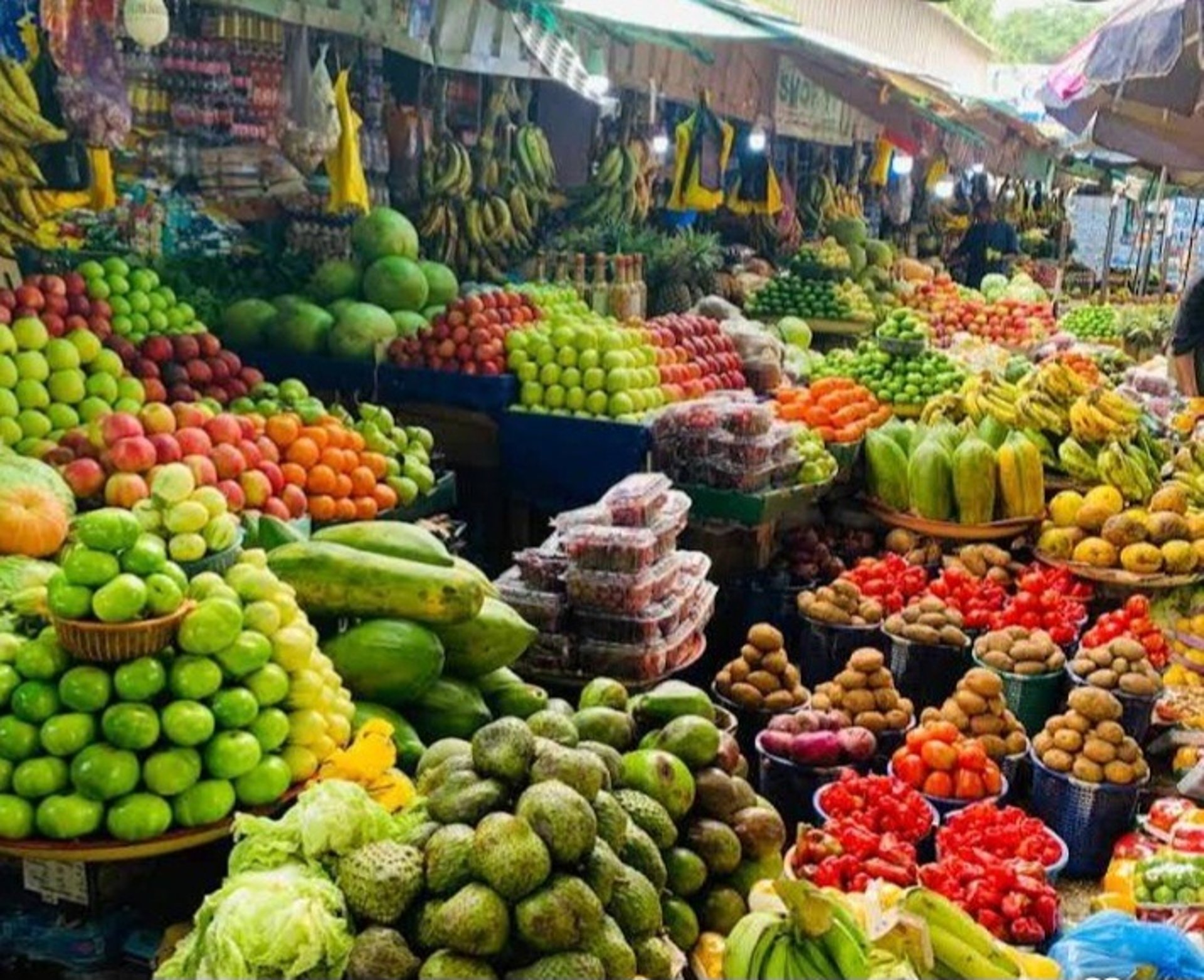
Join our effort to prioritize healthy, diverse, nutrient-dense foods in food environments of low- and middle-income countries (LMICs).
Our Purpose
Eat Healthy Better (ehb) is a nonprofit, non-governmental organization created with a purpose to help redress the imbalance that led to the dominance of unhealthy foods such as ultra-processed foods (UPFs), high fat, salt, and sugar (HFSS) foods, and unsafe foods in food environments of low- and middle-income countries (LMICs).
Beginning with a pilot run in food environments of local communities in seven (7) districts of the Federal Capital City of Abuja, Nigeria.
Eat Healthy Better has been active in evidence-based education and behaviour change efforts since 2024. But the organization was officially incorporated on December 16, 2025, under Registration No.9080703.
Background
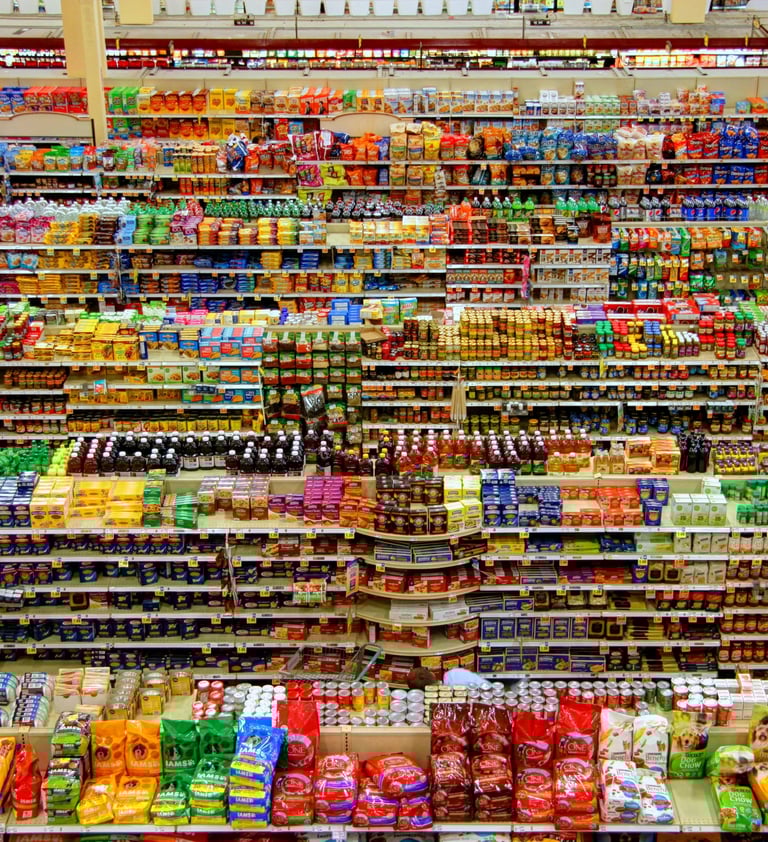
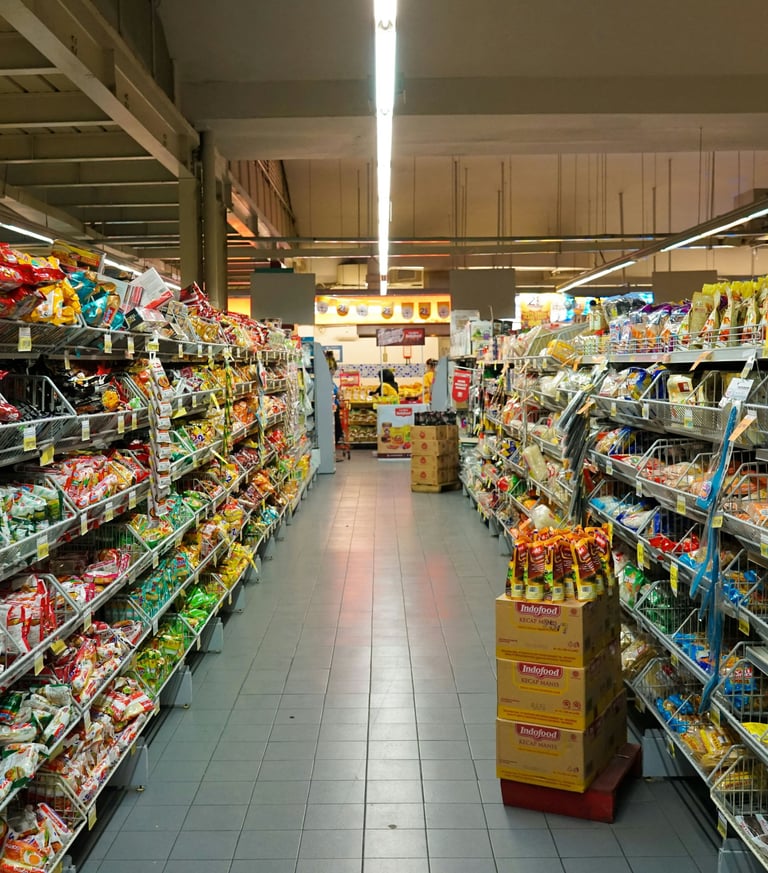
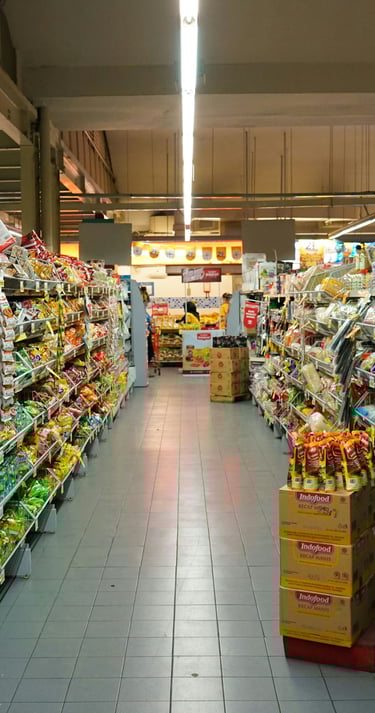
The food environment is the space within the food system where people directly purchase food.
Scientific evidence has shown that food environments globally have become unhealthy, as ultra-processed foods (UPFs) and other unhealthy foods high in fat, salt, and sugar (HFSS) have displaced healthy, nutrient-dense foods.
The displacement occurred as food environments gave priority to UPFs and other unhealthy foods for decades due to obvious reasons. Therefore, creating an imbalance that led to the dominance of unhealthy foods.
On the other hand, as consumption of unhealthy foods surged, food environments abandoned healthy, nutrient-dense foods (NDFs), leaving them to be unpalatable, inconvenient, and unaffordable. This made healthy foods become the difficult choice that requires a lot of mental and physical effort, willpower, and high agency for consumers. Along with little to no benefit from the brain’s reward system. A very frustrating, exhausting, costly, and often stressful experience for any human existence. But while people are consciously aware of the difficulty they experience in buying and eating healthy foods, the majority who want to continue doing so are helpless in the situation. As such, they end up turning to the convenient (easy, fast, effortless), hyperpalatable, affordable, and highly rewarding choice of unhealthy foods.
The resulting myriad of negative health effects from the dominance of UPFs, HFSS, and unsafe foods in food environments is the largest contributor to the global burden of malnutrition in all its forms and diet-related non-communicable diseases (NCDs), which have continued to increase over the years.
In the present state of things, it has become crucial and urgent to redress the imbalance in food environments by reshaping them to prioritize healthy, diverse, nutrient-dense foods (NDFs). Towards enabling people to make lasting, healthy food choices, engage in healthy eating behaviours, positively evolve their dietary patterns, and transition to healthy, diverse, nutrient-dense diets for the long term.


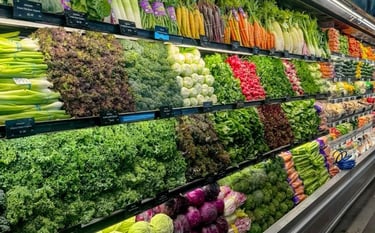
Target Food Choice Determinants in LMICs
We believe every human being innately desires to eat healthy. As such, the healthy, diverse, nutrient-dense diet for all, especially for people in low- and middle-income countries (LMICs), should comprise a variety of food items that are affordable (income), convenient (assisted self-efficacy to become easy, fast and effortless), palatable, low-cost (price and promo), safe (quality, free-selection), accessible, available, and meet their daily energy (calorie), micronutrients, and satiety needs. "Assuredly, I say to you, inasmuch as you did it to one of the least of these My brethren, you did it to Me." Matt 25:40 (NKJV).
Just Food Systems and Food Environments
We believe food systems, and particularly food environments, should prioritize healthy, diverse, nutrient-dense foods (NDFs) over ultra-processed foods (UPFs), and other unhealthy foods high in fat, salt, and sugar (HFSS). Also, like UPFs, NDFs should be supported with effective, evidence-based situational cues through optimal, context-specific, choice architecture, and the power of branding and brand experiences. As well as greater marketing efforts that use messaging cues that are emotional, aspirational (purposeful), trendy or pop culture to stimulate, persuade, and sustain necessary healthy food choices and eating behaviours in people.
Our Beliefs
We have Five (5) Fundamental Beliefs
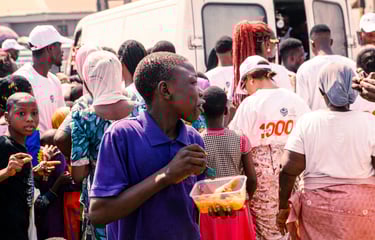



Equity in Diet Diversity and Quality
Planetary Health
We believe every individual across all demographic segments has a personal responsibility to act and engage in practices and habits that protect our environment and prevent climate change. Towards sustaining our planet for both the present and future generations.
We believe God created natural, diverse, nutrient-dense foods in abundance for every human being to have enough. Therefore, every human being has a God-given right to a healthy, diverse, nutrient-dense diet daily.


Malnutrition Eradication
We believe that with an approach that is evidence-based, context-specific, innovative, collaborative, equitable, just, supportive, and long-term, most people will commit to and take action to make lasting, healthy food choices and engage in healthy eating behaviours and habits. Also, with this approach, the global burden of malnutrition in all its forms can be eradicated.
Mr. Ignatius Ayewoh
Former Director General of Bureau of Public Enterprises (BPE)
Retired Senior Management at Union Bank and former Treasurer of the Anglican Communion, Nigeria
Mrs. Chioma Okoli
Mrs. Dorcas Akinkugbe
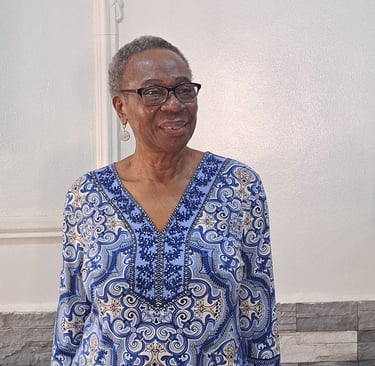
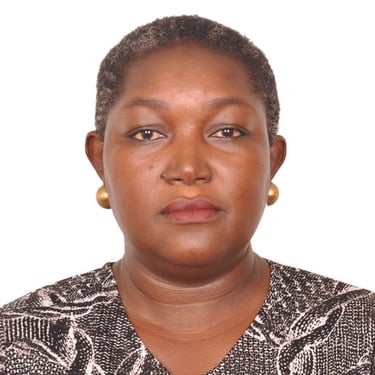
ehb Trustees
Ms. Oreofe Grace Akinkugbe





Tracking the Facts
Facts about the progress of work in reshaping food environments of LMIC local communities. The pilot began in November 2025.
8
13
External domain actors impacted
Districts Explored
1
1
Cities
Partners
Lived Experiences
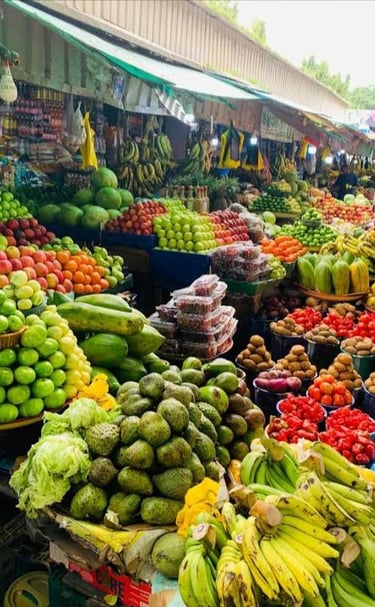
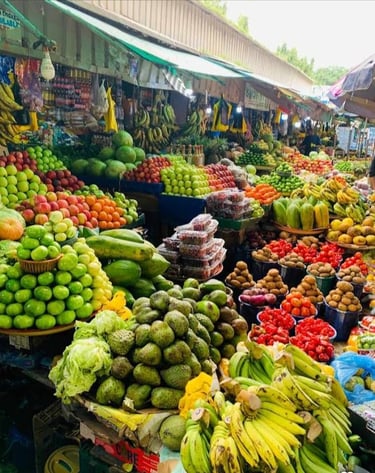
Food Environment Sights and Sounds






Where We Are
We are based in the heart of the Federal Capital City, Abuja where we are piloting efforts to reshape food environments across seven (7) districts.
Address
Drive 4, Prince and Princess Estate, Kaura District, Federal Capital City, Abuja, Nigeria.
Hours
Mon-Fri 9am-5pm